


Airbnb Rules in Toronto (2026): How to Maximize Revenue Within STR Restrictions

Grey Bruce host expert Sarah McKay founder Guestwork Ontario Luxury modern kitchen design with dark wood cabinets, kitchen island bar stools, and copper pendant lights

By Sarah McKay

May 28, 2026

Share Article

Share Article

The Reality of Toronto’s STR Market

Toronto isn’t a “free-for-all” Airbnb market.

It’s structured. Regulated. Controlled.

And that changes everything.

Most hosts see restrictions as limitations.
 High-performing operators see them as a framework to optimize within.


The Core Toronto Airbnb Rules (2026)

If you’re operating a short-term rental in Toronto, these are non-negotiable:

1. Principal Residence Rule

You can only short-term rent your primary residence—not an investment property.

That means:

  • where you live most of the year
  • where your ID, taxes, and bills are registered

This single rule eliminates most “scale through volume” strategies.


2. Mandatory Registration

You must:

  • register with the City
  • display your registration number on all listings

No registration = no listing.


3. 180-Night Cap (Entire Home)

If you rent your full unit, you’re limited to:
 180 nights per year

After that:

  • listings can be suspended
  • fines can apply


4. Less Than 28 Days = STR

Anything under 28 days is considered a short-term rental.

Longer stays fall into a completely different category (and opportunity).


5. Taxes & Compliance

You’re required to:

  • collect Municipal Accommodation Tax (MAT)
  • maintain booking records
  • comply with safety requirements


⚠️ What Most Hosts Get Wrong

They try to apply:

  • traditional Airbnb strategies
  • multi-unit scaling
  • occupancy-first thinking

But Toronto isn’t built for that.

If you chase occupancy here…
 you leave money on the table.


The Winning Strategy: Revenue Per Night > Occupancy

Because of the 180-night cap, your real KPI becomes:

How much can you earn per booked night?

Not:

  • how many nights you fill
  • how cheap you can price


Strategy 1: Premium Pricing Over Volume

With only 180 nights available, every booking matters more.

Top operators:

  • price higher on weekends and peak demand
  • avoid discounting just to fill gaps
  • treat inventory like a limited luxury asset

 

Strategy 2: Hybrid Rental Model (This Is the Edge)

This is where most people miss the opportunity.

Combine:

  • Short-term stays (under 28 days)
  • Mid-term stays (28+ days)

Why it works:

  • 28+ day stays are not subject to STR rules
  • no 180-night cap
  • stable income between peak STR windows

This is how you smooth revenue across the year.


Strategy 3: Rent Rooms, Not Just the Entire Unit

Here’s a loophole most overlook:

  • Entire home → 180-night cap
  • Private rooms → no annual limit

For the right property:

  • room-by-room rental can outperform full-unit STR
  • especially for longer stays or urban travelers


Strategy 4: Design for Conversion, Not Just Aesthetics

In a capped market, your listing must convert fast.

Winning listings:

  • feel like boutique hotel suites
  • showcase lifestyle (views, light, experience)
  • are optimized like landing pages


Strategy 5: Demand-Based Booking Windows

Instead of opening your calendar blindly:

  • hold high-demand weekends for premium pricing
  • release slower dates strategically
  • align with Toronto events, business travel, and seasonality


Strategy 6: Treat It Like a Yield Asset

Toronto STR success looks more like:

  • revenue management
  • hotel strategy
  • portfolio optimization

Not:

  • casual hosting


The Bottom Line

Toronto’s regulations didn’t kill the STR market.

They refined it.

They removed:

  • amateur operators
  • over-leveraged investors

And created space for:

intentional, design-led, revenue-optimized hosting


Call to Action

If you own a property in Toronto, the question isn’t:
 “Can I Airbnb this?”

It’s:

“What’s the smartest way to maximize revenue within the rules?”

Let us show you the math.
 Request your Toronto income estimate.


The Reality of Toronto’s STR Market

Toronto isn’t a “free-for-all” Airbnb market.

It’s structured. Regulated. Controlled.

And that changes everything.

Most hosts see restrictions as limitations.
 High-performing operators see them as a framework to optimize within.

The Core Toronto Airbnb Rules (2026)

If you’re operating a short-term rental in Toronto, these are non-negotiable:

1. Principal Residence Rule

You can only short-term rent your primary residence—not an investment property.

That means:

  • where you live most of the year
  • where your ID, taxes, and bills are registered

This single rule eliminates most “scale through volume” strategies.


2. Mandatory Registration

You must:

  • register with the City
  • display your registration number on all listings

No registration = no listing.

3. 180-Night Cap (Entire Home)

If you rent your full unit, you’re limited to:
 180 nights per year

After that:

  • listings can be suspended
  • fines can apply


4. Less Than 28 Days = STR

Anything under 28 days is considered a short-term rental.

Longer stays fall into a completely different category (and opportunity).


5. Taxes & Compliance

You’re required to:

  • collect Municipal Accommodation Tax (MAT)
  • maintain booking records
  • comply with safety requirements


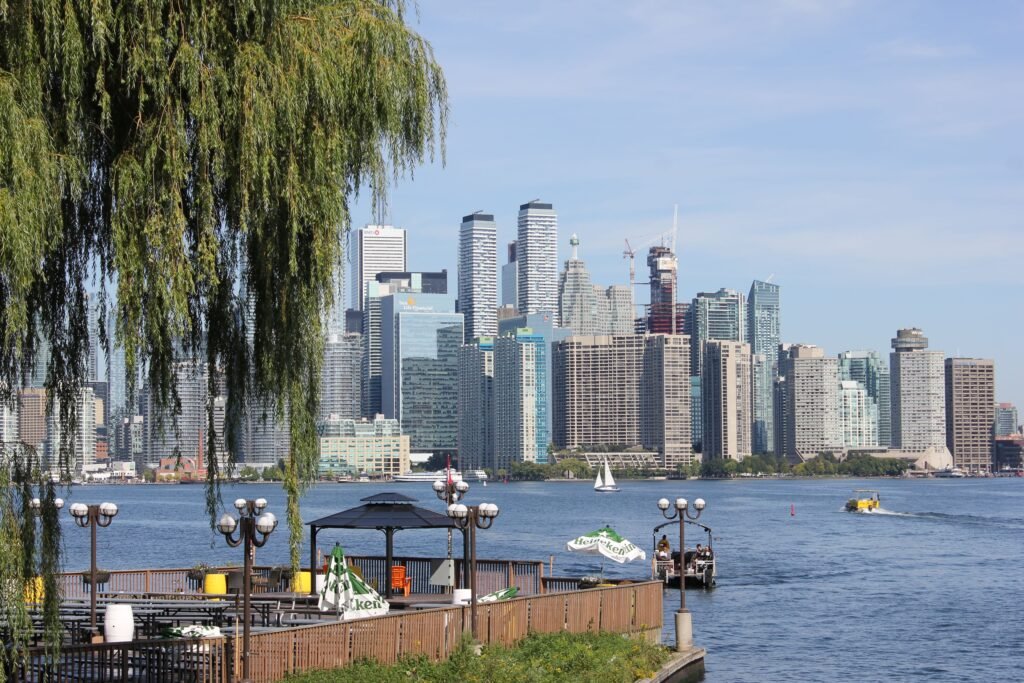
View of Toronto downtown skyline and skyscrapers across the blue water from the harborfront

⚠️ What Most Hosts Get Wrong

They try to apply:

  • traditional Airbnb strategies
  • multi-unit scaling
  • occupancy-first thinking

But Toronto isn’t built for that.

If you chase occupancy here…
 you leave money on the table.


The Winning Strategy: Revenue Per Night > Occupancy

Because of the 180-night cap, your real KPI becomes:

How much can you earn per booked night?

Not:

  • how many nights you fill
  • how cheap you can price


Strategy 1: Premium Pricing Over Volume

With only 180 nights available, every booking matters more.

Top operators:

  • price higher on weekends and peak demand
  • avoid discounting just to fill gaps
  • treat inventory like a limited luxury asset

Strategy 2: Hybrid Rental Model (This Is the Edge)

This is where most people miss the opportunity.

Combine:

  • Short-term stays (under 28 days)
  • Mid-term stays (28+ days)

Why it works:

  • 28+ day stays are not subject to STR rules
  • no 180-night cap
  • stable income between peak STR windows

This is how you smooth revenue across the year.


Strategy 3: Rent Rooms, Not Just the Entire Unit

Here’s a loophole most overlook:

  • Entire home → 180-night cap
  • Private rooms → no annual limit

For the right property:

  • room-by-room rental can outperform full-unit STR
  • especially for longer stays or urban travelers
The historic Gooderham Flatiron Building on a street corner with modern skyscrapers in Toronto

Strategy 4: Design for Conversion, Not Just Aesthetics

In a capped market, your listing must convert fast.

Winning listings:

  • feel like boutique hotel suites
  • showcase lifestyle (views, light, experience)
  • are optimized like landing pages


Strategy 5: Demand-Based Booking Windows

Instead of opening your calendar blindly:

  • hold high-demand weekends for premium pricing
  • release slower dates strategically
  • align with Toronto events, business travel, and seasonality


Strategy 6: Treat It Like a Yield Asset

Toronto STR success looks more like:

  • revenue management
  • hotel strategy
  • portfolio optimization

Not:

  • casual hosting

The Bottom Line

Toronto’s regulations didn’t kill the STR market.

They refined it.

They removed:

  • amateur operators
  • over-leveraged investors

And created space for:

intentional, design-led, revenue-optimized hosting


Call to Action

If you own a property in Toronto, the question isn’t:
 “Can I Airbnb this?”

It’s:

“What’s the smartest way to maximize revenue within the rules?”

Let us show you the math.
 Request your Toronto income estimate.


Share Article

The Reality of Toronto’s STR Market

Toronto isn’t a “free-for-all” Airbnb market.

It’s structured. Regulated. Controlled.

And that changes everything.

Most hosts see restrictions as limitations.
 High-performing operators see them as a framework to optimize within.


The Core Toronto Airbnb Rules (2026)

If you’re operating a short-term rental in Toronto, these are non-negotiable:

1. Principal Residence Rule

You can only short-term rent your primary residence—not an investment property.

That means:

  • where you live most of the year
  • where your ID, taxes, and bills are registered

This single rule eliminates most “scale through volume” strategies.


2. Mandatory Registration

You must:

  • register with the City
  • display your registration number on all listings

No registration = no listing.


3. 180-Night Cap (Entire Home)

If you rent your full unit, you’re limited to:
 180 nights per year

After that:

  • listings can be suspended
  • fines can apply


4. Less Than 28 Days = STR

Anything under 28 days is considered a short-term rental.

Longer stays fall into a completely different category (and opportunity).


5. Taxes & Compliance

You’re required to:

  • collect Municipal Accommodation Tax (MAT)
  • maintain booking records
  • comply with safety requirements


⚠️ What Most Hosts Get Wrong

They try to apply:

  • traditional Airbnb strategies
  • multi-unit scaling
  • occupancy-first thinking

But Toronto isn’t built for that.

If you chase occupancy here…
 you leave money on the table.


The Winning Strategy: Revenue Per Night > Occupancy

Because of the 180-night cap, your real KPI becomes:

How much can you earn per booked night?

Not:

  • how many nights you fill
  • how cheap you can price


Strategy 1: Premium Pricing Over Volume

With only 180 nights available, every booking matters more.

Top operators:

  • price higher on weekends and peak demand
  • avoid discounting just to fill gaps
  • treat inventory like a limited luxury asset

 

Strategy 2: Hybrid Rental Model (This Is the Edge)

This is where most people miss the opportunity.

Combine:

  • Short-term stays (under 28 days)
  • Mid-term stays (28+ days)

Why it works:

  • 28+ day stays are not subject to STR rules
  • no 180-night cap
  • stable income between peak STR windows

This is how you smooth revenue across the year.


Strategy 3: Rent Rooms, Not Just the Entire Unit

Here’s a loophole most overlook:

  • Entire home → 180-night cap
  • Private rooms → no annual limit

For the right property:

  • room-by-room rental can outperform full-unit STR
  • especially for longer stays or urban travelers


Strategy 4: Design for Conversion, Not Just Aesthetics

In a capped market, your listing must convert fast.

Winning listings:

  • feel like boutique hotel suites
  • showcase lifestyle (views, light, experience)
  • are optimized like landing pages


Strategy 5: Demand-Based Booking Windows

Instead of opening your calendar blindly:

  • hold high-demand weekends for premium pricing
  • release slower dates strategically
  • align with Toronto events, business travel, and seasonality


Strategy 6: Treat It Like a Yield Asset

Toronto STR success looks more like:

  • revenue management
  • hotel strategy
  • portfolio optimization

Not:

  • casual hosting


The Bottom Line

Toronto’s regulations didn’t kill the STR market.

They refined it.

They removed:

  • amateur operators
  • over-leveraged investors

And created space for:

intentional, design-led, revenue-optimized hosting


Call to Action

If you own a property in Toronto, the question isn’t:
 “Can I Airbnb this?”

It’s:

“What’s the smartest way to maximize revenue within the rules?”

Let us show you the math.
 Request your Toronto income estimate.


The Reality of Toronto’s STR Market

Toronto isn’t a “free-for-all” Airbnb market.

It’s structured. Regulated. Controlled.

And that changes everything.

Most hosts see restrictions as limitations.
 High-performing operators see them as a framework to optimize within.

The Core Toronto Airbnb Rules (2026)

If you’re operating a short-term rental in Toronto, these are non-negotiable:

1. Principal Residence Rule

You can only short-term rent your primary residence—not an investment property.

That means:

  • where you live most of the year
  • where your ID, taxes, and bills are registered

This single rule eliminates most “scale through volume” strategies.


2. Mandatory Registration

You must:

  • register with the City
  • display your registration number on all listings

No registration = no listing.

3. 180-Night Cap (Entire Home)

If you rent your full unit, you’re limited to:
 180 nights per year

After that:

  • listings can be suspended
  • fines can apply


4. Less Than 28 Days = STR

Anything under 28 days is considered a short-term rental.

Longer stays fall into a completely different category (and opportunity).


5. Taxes & Compliance

You’re required to:

  • collect Municipal Accommodation Tax (MAT)
  • maintain booking records
  • comply with safety requirements


View of Toronto downtown skyline and skyscrapers across the blue water from the harborfront

⚠️ What Most Hosts Get Wrong

They try to apply:

  • traditional Airbnb strategies
  • multi-unit scaling
  • occupancy-first thinking

But Toronto isn’t built for that.

If you chase occupancy here…
 you leave money on the table.


The Winning Strategy: Revenue Per Night > Occupancy

Because of the 180-night cap, your real KPI becomes:

How much can you earn per booked night?

Not:

  • how many nights you fill
  • how cheap you can price


Strategy 1: Premium Pricing Over Volume

With only 180 nights available, every booking matters more.

Top operators:

  • price higher on weekends and peak demand
  • avoid discounting just to fill gaps
  • treat inventory like a limited luxury asset

Strategy 2: Hybrid Rental Model (This Is the Edge)

This is where most people miss the opportunity.

Combine:

  • Short-term stays (under 28 days)
  • Mid-term stays (28+ days)

Why it works:

  • 28+ day stays are not subject to STR rules
  • no 180-night cap
  • stable income between peak STR windows

This is how you smooth revenue across the year.


Strategy 3: Rent Rooms, Not Just the Entire Unit

Here’s a loophole most overlook:

  • Entire home → 180-night cap
  • Private rooms → no annual limit

For the right property:

  • room-by-room rental can outperform full-unit STR
  • especially for longer stays or urban travelers
The historic Gooderham Flatiron Building on a street corner with modern skyscrapers in Toronto

Strategy 4: Design for Conversion, Not Just Aesthetics

In a capped market, your listing must convert fast.

Winning listings:

  • feel like boutique hotel suites
  • showcase lifestyle (views, light, experience)
  • are optimized like landing pages


Strategy 5: Demand-Based Booking Windows

Instead of opening your calendar blindly:

  • hold high-demand weekends for premium pricing
  • release slower dates strategically
  • align with Toronto events, business travel, and seasonality


Strategy 6: Treat It Like a Yield Asset

Toronto STR success looks more like:

  • revenue management
  • hotel strategy
  • portfolio optimization

Not:

  • casual hosting

The Bottom Line

Toronto’s regulations didn’t kill the STR market.

They refined it.

They removed:

  • amateur operators
  • over-leveraged investors

And created space for:

intentional, design-led, revenue-optimized hosting


Call to Action

If you own a property in Toronto, the question isn’t:
 “Can I Airbnb this?”

It’s:

“What’s the smartest way to maximize revenue within the rules?”

Let us show you the math.
 Request your Toronto income estimate.


About The Author

Grey Bruce host expert Sarah McKay founder Guestwork Ontario Luxury modern kitchen design with dark wood cabinets, kitchen island bar stools, and copper pendant lights

Sarah McKay

Market Analyst

Sarah specializes in short term rental market trends across North America and emerging global destinations.

Stay In The Know

New articles, market insights and owner resources – delivered regularly

Subscription Form

Recent Articles

Written By

Sarah Mckay

Founder, Guestwork

With over 10 years of experience in short-term rental management, Sarah helps property owners maximize returns while delivering exceptional guest experiences.

Stay in the know

Get the latest STR insights, regulation updates, and management tips straight to your inbox

Subscription Form
Short-term rental income estimate Ontario Guestwork

Don't guess your monthly rate. Let us show you the math​

Guestwork blends data design and hospitality systems to position your
property for stronger performance and more consistent returns.

Grey Bruce host expert Sarah McKay founder Guestwork Ontario Luxury modern kitchen design with dark wood cabinets, kitchen island bar stools, and copper pendant lights

Written By

Sarah Mckay

Founder, Guestwork

With over 10 years of experience in short-term rental management, Sarah helps property owners maximize returns while delivering exceptional guest experiences.

Stay in the know

Get the latest STR insights, regulation updates, and management tips straight to your inbox

Subscription Form